


By Polly Smythe, London Centric. Republished with permission. Original article HERE.
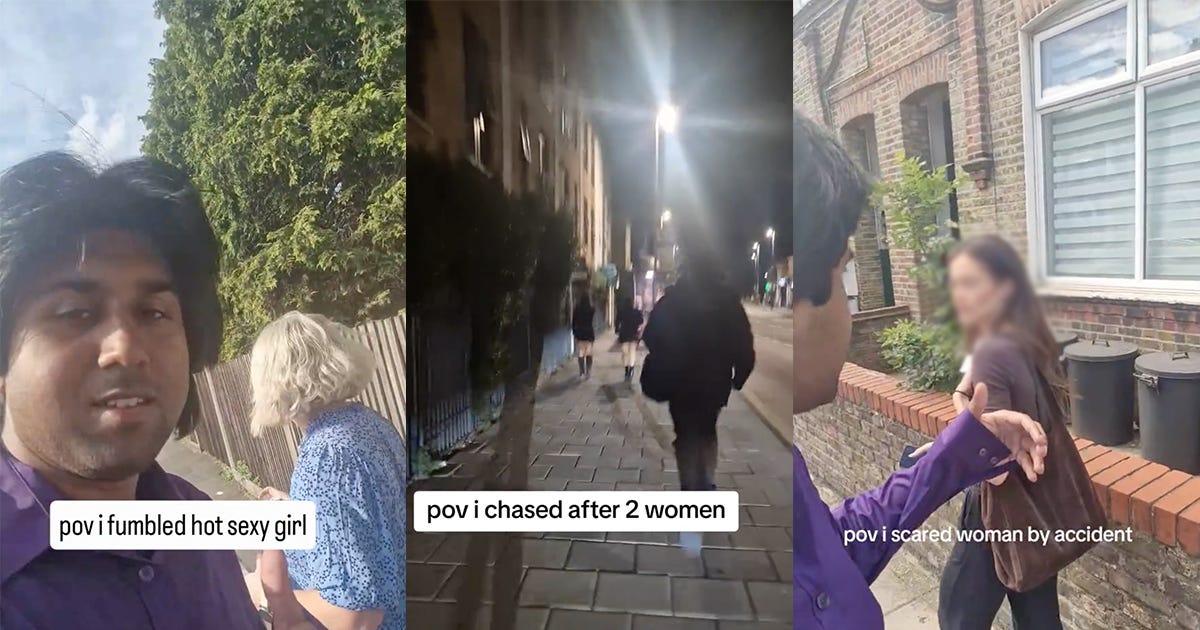
If you approach the same woman twice on the street and ask her sexually explicit questions, you could be arrested for harassment by the Metropolitan Police. But some London content creators have discovered that if you approach a different woman every day, film yourself doing it and post the results to TikTok or Instagram, then you can rack up millions of views – and the police can’t do anything.
Aisha, 19, was about to finish her shift when a man walked into her Tooting office, already filming her. Brandishing his phone in her face, he started barking questions at her: “Would you rather date me or get back with your ex? Just be honest.”
She was shocked.
“I wear a lot of makeup, but my face was as red as a tomato,” the healthcare receptionist told London Centric. “You know, that feeling when you’re very nervous, and I felt shaky afterwards. It was very sudden.”
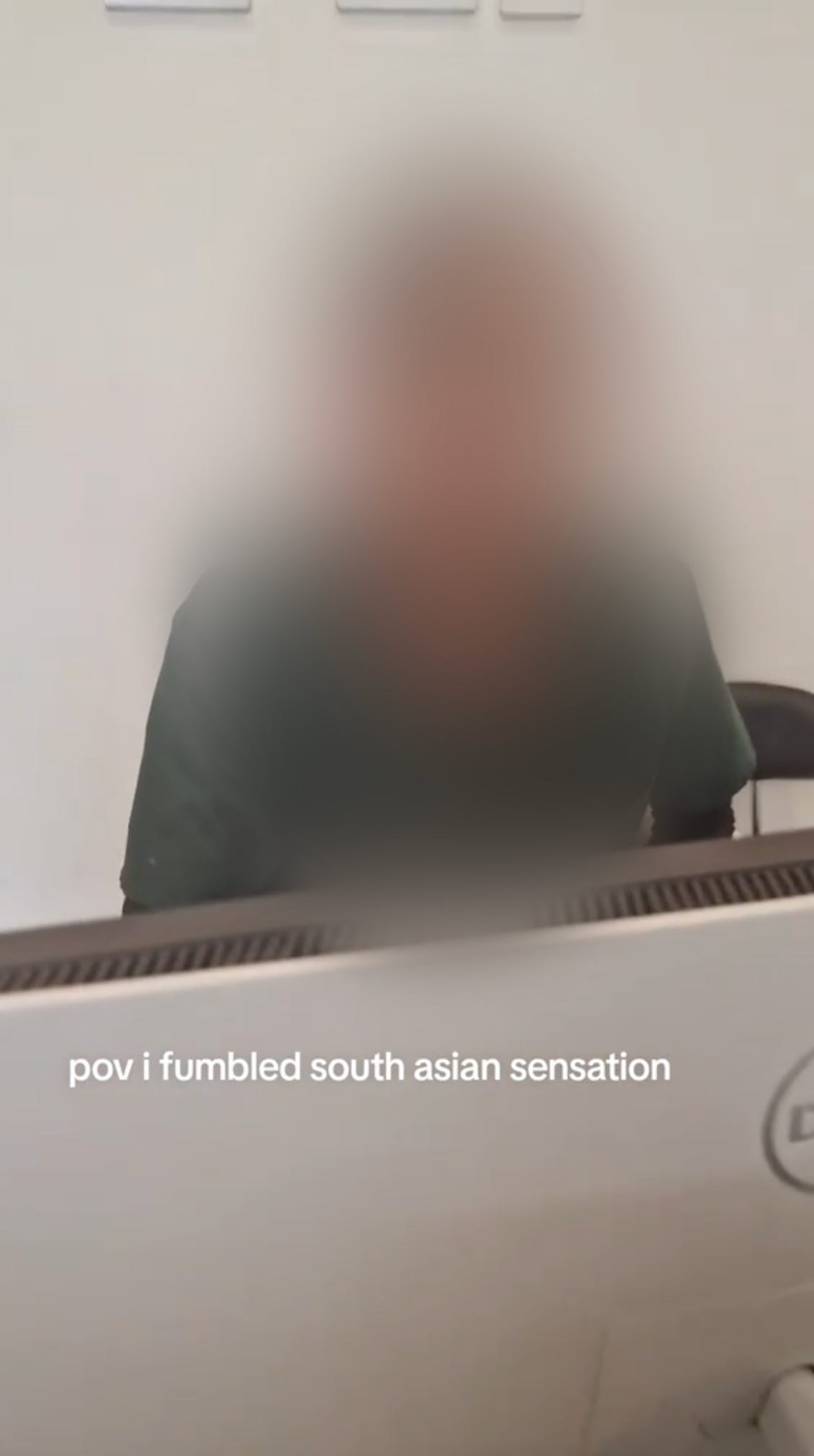
Aisha has been dogged by the video – uploaded with the caption “I fumbled south asian sensation” – since it was posted 10 weeks ago. It has attracted 600,000 views on TikTok alone. Just this week, two men came into her south London workplace to ask her if she knew she was “TikTok famous”.
Aisha was left so shaken by the incident that she now spends more than half her wages on Uber rides home and driving lessons so she won’t have to take public transport in future.
“I’ve got no money because I’m scared to take the bus,” she said.
The man filming her is a London content creator known as Sami G who describes himself as “chasing” women down the street as he films them. He has spent years uploading vast numbers of similar videos, including an attempt to chat up a girl who says she’s 16 and a clip asking a woman “what is your favourite sex toy”.
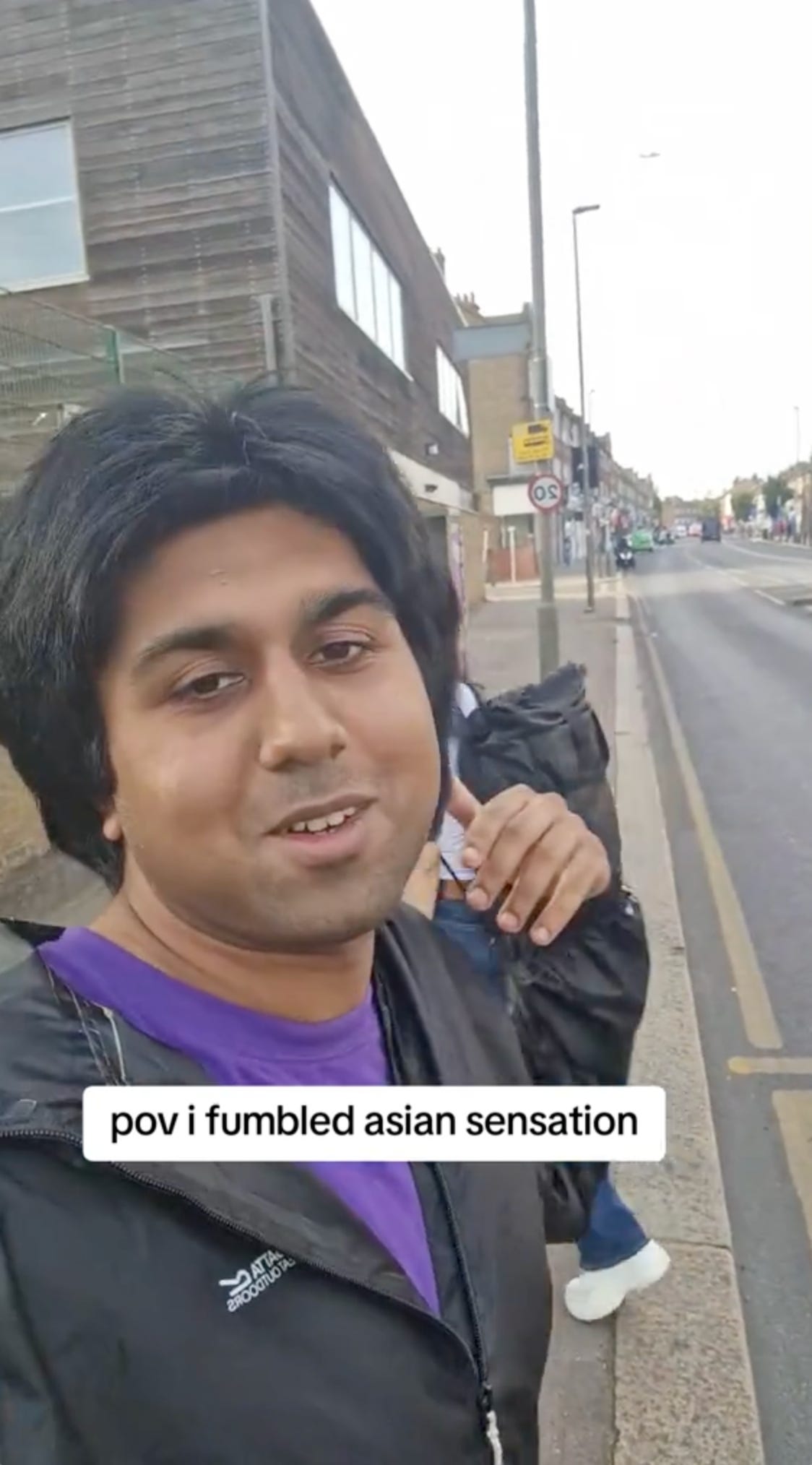
He is one of hundreds of content creators filming themselves trying to pick up women in the capital as they work, wait for the bus or go out with friends. The videos are either directly monetised through content creator revenue sharing schemes or – in Sami’s case – through a link to a PayPal account held under the name ‘Sami Hamza’ as a way to donate.
Sometimes the filming is covert, such as “nightlife” or “walking tour” videos of women moving between pubs and clubs. Others feature men approaching women in the street while wearing smart glasses, such as those made by Instagram owner Meta, which contain a subtle camera. In other cases, such as Sami’s, the men make no effort to conceal filming women.
Sami insists his content is harmless, arguing in a video that “going up to someone and saying ‘would you date me or go back to your ex’” stops short of harassment.
“Harassment is if you go up to someone and they’ve made it clear they don’t want to talk to you but then you keep talking to them again and again and again and again,” he adds.
The law agrees with him.
#makemefamous
The first time Aisha took a taxi home across south London was on the day she was filmed, as she worried Sami might be waiting outside. She had no idea who Sami was or why she’d been filmed — but by the time she got home her brother knew.
“He came down the stairs screaming with excitement. ‘Oh my God Aisha, you’re on Instagram!’”
The video had already been posted. It showed a clearly shocked-looking Aisha at her desk, with the name of her workplace on display behind her and embroidered on her uniform. Instagram’s algorithm, which has replaced traditional forms of media distribution for many people, was rapidly sending it to users in her neighbourhood.
As the clip spread, messages flooded in from friends and family, as well as from people she had not heard from in years. And it didn’t end on Instagram, as it had been cross-posted elsewhere.
“At the end of the night, I was doomscrolling in bed and I just saw myself on TikTok,” Aisha said. “And I thought, oh my gosh, it’s got so many views.”
She added: “I just wanted to go into a hole. At the time, it felt very degrading.
“It is exhausting and degrading that I now have to fight to reclaim my peace of mind and sense of safety when I have done absolutely nothing wrong.”
Many of Sami’s videos were tagged #makemefamous, an example of how such videos aim for notoriety above all else (almost all of the women instantly tell him to leave them alone), with little regard for the humiliation that can be inflicted on the subjects of his content. Aisha’s 10 weeks of torment highlight the struggle women have had trying to get anyone to care.
“To me, it’s harassment”
Aisha soon became fed up with patients coming into her office to tell her about the video. She went to the Metropolitan Police.
“They said they can’t do anything because it’s only happened once to me,” she said.
She told officers that Sami’s Instagram and TikTok accounts were made up almost entirely of him doing this to different women, but they maintained his behaviour didn’t meet the legal threshold of repeated incidents against one person.
“To me, it’s harassment because he’s doing it to so many people,” Aisha said. “But it’s not harassment written down on paper.”
The 1997 Protection from Harassment Act requires that somebody is targeted on at least two occasions for it to count as harassment – a “course of conduct”. One-off interactions, even if unpleasant, cannot be prosecuted unless they fall foul of another law. Filming in public, covert or overt, is not generally a crime, unless it is somewhere people can reasonably expect some privacy.
But once a clip is posted online, a single encounter can loop on strangers’ feeds again and again. Even if the interaction lasts just a few seconds, the impact on the woman can go on for months.
Dr Briony Anderson, a criminology lecturer at King’s College London who specialises in gender-based digital violence, told London Centric: “Legal mechanisms lag very far behind the contemporary realities of how we’re living and experiencing these forms of abuse. That’s a real failure in our justice system.”
Creators know where the line sits, and the law itself can become part of the content. In one video, when a woman tells Sami she does not consent to him filming her, he replies: “In the UK, you’re allowed to film someone even without their permission and post it legally. I don’t need your consent in a public space.”
What about Instagram and TikTok?
The social media firms did not help Aisha either. She reported Sami’s post to TikTok in August but the video stayed up and the platform never responded. “It’s like no one cares,” she said. “They just let it happen.”
Months later, after encountering London Centric’s work on online disinformation in the capital, she got in touch with this news outlet to see if anything could be done.
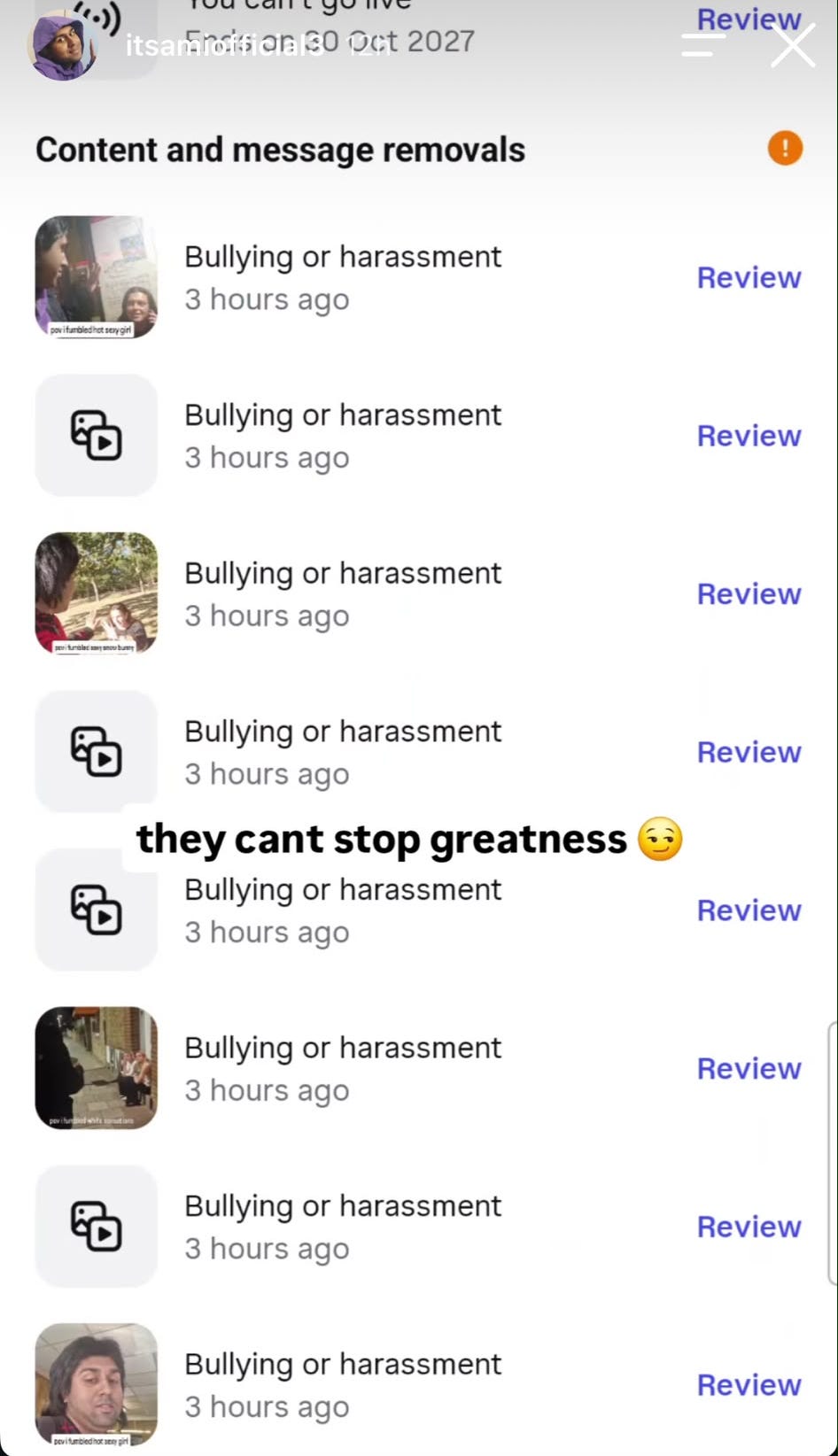
We approached the video platforms’ press offices earlier this week. TikTok swiftly deleted all of Sami’s accounts. Meta, Instagram’s owner, also said it had removed the content that violated its policies. Sami marked the occasion by posting a screengrab of his Instagram content being taken down for “bullying or harassment” with the caption “they can’t stop greatness 😏”.
A Met Police spokesperson said: “We understand how distressing it can be to be filmed without consent and have the footage posted online. It is not illegal to film people without their permission in public places. Exceptions include where this constitutes harassment or voyeurism.
“We take reports extremely seriously. However, this matter did not meet the legal threshold for either of these offences, and the woman was informed.”
How do you stop someone fixated on clout?
Aisha isn’t the only woman filmed by Sami who spoke to us.
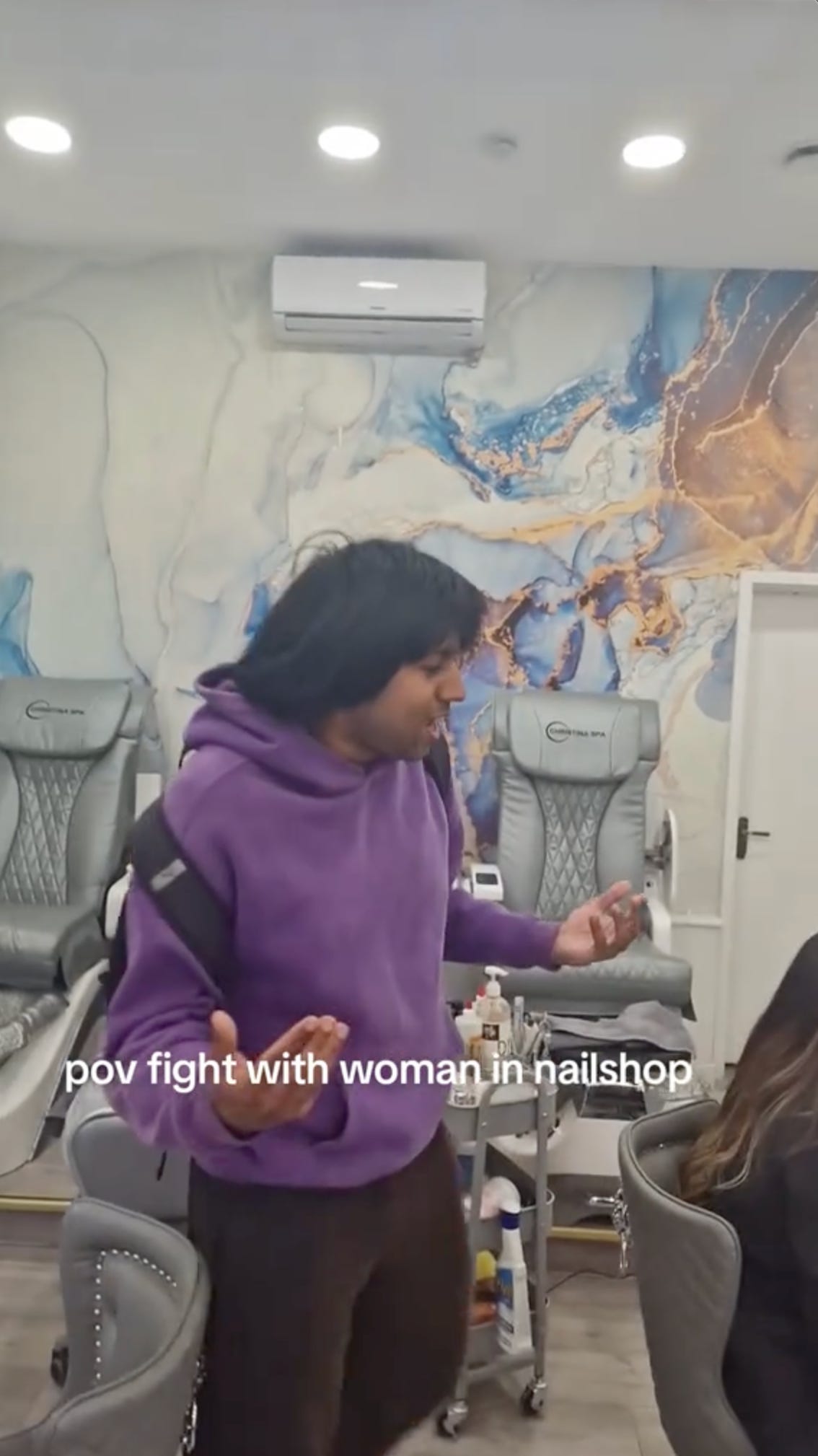
Sana, 20, had recently moved from Birmingham to London. She’d opened a business with her cousin when Sami came into her studio and started filming her.
“I found it disgusting how he could just walk into my business and catcall me, making comments on how tight my dress is at work,” she told London Centric. The experience left her so shaken, she says, that she left London and moved back to Birmingham.
“I like to feel comfortable. [My studio] is a cosy environment my cousin and I built for women to feel safe. That creep has taken that environment and honestly scared me away from it. I’ll definitely be locking my door from now on in my next studio.”
In another video, Sami films himself approaching a girl who says she is 16.
After we approached Sami for comment, he published a lengthy public statement on Instagram. He said this type of content is widespread online and that he has been singled out due to his background: “My videos are not harassment, it’s simply me asking a question. People treat me differently to everyone else, people get angry at me saying I’m Indian and I’m ugly etc.
“If you look at the comment section of me approaching women compared to the comment section of other people in public approaching the opposite gender, my comment is very different way more hate.”
He said he wasn’t aware of the 16-year-old girl’s age when he approached her, and that if he’d known, he “would never make the vid in the first place” – adding that once he learned her age he instantly left her alone.
Sami also said was looking forward to reading this news story in “imax 70mm” and added: “if i decide to make more public vids with women in it then i will do so no matter what anyone says and thinks about it”.
Aisha has been left scarred by the experience and is astonished at the new gauntlet women in London face as they go through their lives.
She said she wanted social platforms to recognise the damage caused by these accounts and issue permanent bans on posting, even if the police are unable to act on this type of behaviour: “The only reason he is posting is for clout.”
“What if there are more weirdos out there that now know where I work and they come? I still think about that.”
Names of the women in the videos have been changed.
Originally published by London Centric. Read Polly Smythe‘s full article HERE.